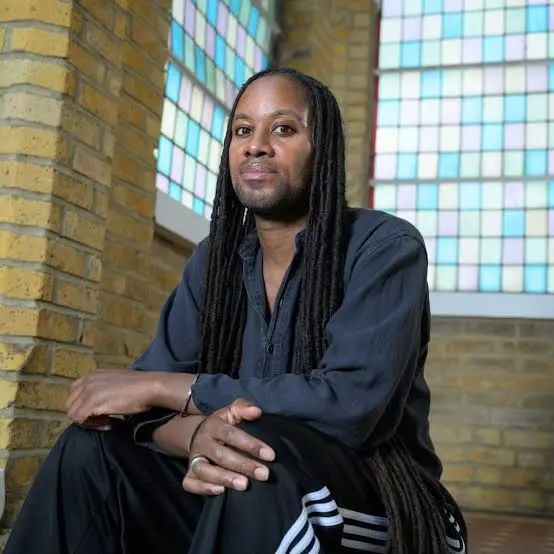
Professor Jason Arday, the British sociologist who became the University of Cambridge’s youngest Black professor, has died at the age of 41.
Arday was found unresponsive at his home in Battersea, south London, on August 14, 2026, nine days after resigning from his Cambridge position following intense public scrutiny of his academic work and professional background.
His death has prompted mourning across British academia, while also renewing discussion about his remarkable rise through higher education, the controversy that surrounded his final weeks and the wider pressures faced by academics in the public eye.
Police have said his death was unexpected but not believed to be suspicious. His family has also spoken publicly about what it described as sustained harassment during the period before his death.
Who Was Jason Arday?
Jason Arday was a British sociologist whose academic work focused heavily on race, inequality, education and the experiences of Black people within higher education.
His own educational journey became an important part of his public identity.
Arday had spoken about significant difficulties during childhood, including being unable to speak until he was 11 and not learning to read and write until he was 18. Despite those challenges, he continued his education and eventually established a career in British academia.
His journey eventually took him to some of the country’s leading universities and culminated in his appointment as a professor at Cambridge.
Jason Arday Made History at Cambridge
Arday was appointed Professor of the Sociology of Education at the University of Cambridge in 2023.
At 37, he became the university’s youngest Black professor, an achievement that attracted considerable attention because of both his age and the educational obstacles he had described overcoming.
His work examined issues surrounding racial inequality, educational opportunity and representation.
Before Cambridge, Arday held academic positions at several universities, including Glasgow, Durham and other institutions. His career also included research and commentary on the experiences of minority students and academics.
His appointment at Cambridge became one of the most prominent milestones of his professional life.
Jason Arday’s Academic Controversy
The final period of Arday’s career was marked by growing scrutiny of his academic work and aspects of his professional biography.
Questions were raised about alleged plagiarism in his doctoral thesis as well as claims concerning some of his professional appointments, fundraising achievements and other aspects of his publicly presented career.
Arday denied plagiarism allegations. Liverpool John Moores University, which awarded his doctorate, had previously investigated the plagiarism claims and did not uphold them, although the issue remained part of the broader controversy surrounding his academic record.
Cambridge later announced that it would investigate new information concerning Arday’s academic qualifications and honorary appointments, alongside existing complaints relating to academic misconduct.
Those investigations and allegations should be distinguished from established findings. The university’s processes were not the same as a final determination that every allegation made publicly was proven.
Arday Resigned From Cambridge Days Before His Death
On August 5, 2026, Arday resigned from his position at Cambridge and Jesus College.
In his resignation statement, he said that the level of scrutiny, accusations and public commentary had taken a profound toll on him and those close to him.
He described the decision as necessary for his own wellbeing and his family, while maintaining that his resignation should not be interpreted as an acceptance of the narratives surrounding the controversy.
His resignation came just nine days before his death.
The timing has since become an important part of the public discussion surrounding his final days, although the circumstances of his death remain subject to formal examination.
Jason Arday Obituary Details
| Detail | Information |
|---|---|
| Full name | Jason Arday |
| Age | 41 |
| Nationality | British |
| Profession | Sociologist and academic |
| Former institution | University of Cambridge |
| Cambridge position | Professor of the Sociology of Education |
| Historic achievement | Cambridge’s youngest Black professor |
| Date of death | August 14, 2026 |
| Location | Battersea, south London |
| Reported cause of death | Suicide |
| Police assessment | Death treated as unexpected and not believed to be suspicious |
| Inquest | Opened |
| Cambridge resignation | August 5, 2026 |
| Funeral arrangements | Not publicly confirmed |
Jason Arday Cause of Death
Jason Arday’s death has been reported as suicide.
Police have said the death was unexpected but not believed to be suspicious, and the circumstances have been referred to the coroner.
Because the formal process surrounding the death remains ongoing, details about the final period of Arday’s life should be handled carefully.
His family’s comments about harassment and public scrutiny are part of the public discussion surrounding his death, but they should not be presented as proof that any particular person, allegation or professional controversy caused his death.
The University of Cambridge has separately established an independent review examining issues surrounding Arday’s appointment and the university’s handling of the matter. The review is distinct from the process determining the circumstances of his death.
A Remarkable Educational Journey
One of the defining aspects of Arday’s public story was the contrast between his childhood difficulties and his eventual academic achievements.
He had described being unable to speak until the age of 11 and being unable to read and write until he was 18.
His later academic career followed a very different path.
After completing his doctorate, he moved through academic positions and developed expertise in sociology, education and racial inequality. His work brought him into discussions about representation and barriers affecting Black students and staff in higher education.
His appointment at Cambridge represented the culmination of a journey that had attracted attention well beyond academia.
Family Speaks After His Death
Following Arday’s death, his family expressed shock and asked for privacy.
They also described what they characterized as a sustained campaign of harassment and misinformation surrounding him during the years following his Cambridge appointment.
Those statements have become part of the broader public conversation about Arday’s death and the treatment he received during the controversy.
However, the family’s interpretation should remain clearly distinguished from formal findings about the circumstances of his death.
For his relatives, the public debate surrounding his academic career is secondary to the personal loss of a father, partner, son, brother and uncle.
Tributes Follow Professor Arday’s Death
News of Arday’s death prompted reactions from universities, academics and others familiar with his work.
Cambridge expressed sadness following his death, while former colleagues at other universities also remembered him.
A public vigil in London reportedly attracted thousands of people, reflecting the level of interest and emotion surrounding his death.
The response has extended beyond tributes to broader discussions about academic standards, media scrutiny, race, public accountability and the treatment of academics facing intense criticism.
These discussions involve differing perspectives and should not be confused with the formal processes examining Arday’s academic record or death.
Cambridge Review Continues
The University of Cambridge has continued its independent review into the circumstances surrounding Arday’s appointment and his time at the institution.
The review also examines the period between his resignation on August 5 and his death on August 14, including questions about what support and responsibilities remained after he left his university and college positions.
The review is expected to provide a more detailed account of the university’s handling of the issues surrounding Arday.
Its findings should be considered separately from the coroner’s work concerning his death.
Remembering Jason Arday
Jason Arday’s life included a remarkable academic journey that took him from major childhood educational challenges to a professorship at one of Britain’s most prestigious universities.
His appointment as Cambridge’s youngest Black professor became a significant milestone in his career and in conversations about representation within British higher education.
His work on race, education and inequality influenced discussions both inside and outside universities.
At the time of his death, however, his professional achievements had become intertwined with a highly public controversy that was still developing.
His family, colleagues, students and supporters are now left to remember the person beyond the headlines and scrutiny that dominated his final weeks.
Disclaimer
This obituary is based on publicly reported information concerning Professor Jason Arday’s death and career. His death has been reported as suicide, while formal processes concerning the circumstances of his death remain ongoing. References to harassment, media scrutiny, academic allegations or professional controversy reflect reported statements and public reporting and should not be interpreted as a definitive finding that any individual, event or circumstance caused his death. Allegations concerning academic work and professional credentials should likewise be distinguished from established findings. Funeral or memorial arrangements should be confirmed through his family, representatives or an authorized organization. Suicide-related information is presented without graphic detail out of respect for the deceased and those affected by his death.